
Is an IB Preschool in Gurgaon Worth It? Cost, Value and What to Check
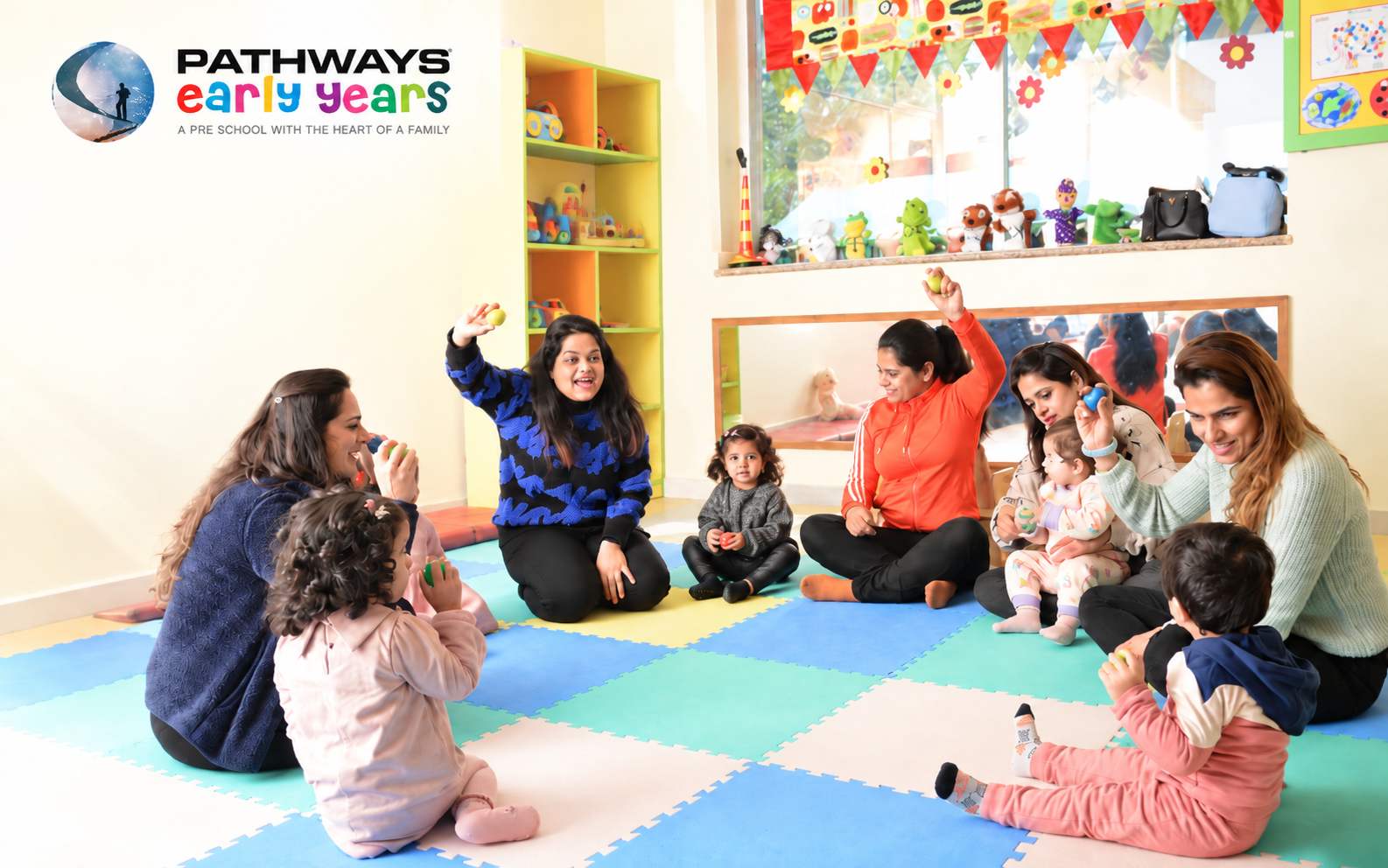
Is an IB preschool in Gurgaon worth the fee? A parent’s guide to what the IB early years approach teaches, how it differs from worksheet-led schools, what to ask about cost and how to verify a school’s claims.
Most parents meet the IB label in one of two ways. Either a school tour where the walls hold children’s questions instead of alphabet charts, or a fee structure that sits well above the play school down the road. Both reactions are fair. An IB preschool in Gurgaon asks you to pay for something that is hard to see in a three-year-old: how a child learns to ask, test and explain, instead of copy and repeat. Whether that is worth the money depends on your child, your plans for primary school, and what actually happens in the classroom each morning. It does not depend on the three letters on the signboard. This guide gives you a short answer first, then the reasoning: what the IB early years approach is, where it helps, where it does not, and how to check that a school delivers it. Use the checklist near the end before your next campus visit.
Key Takeaways
• Short answer: an IB preschool is worth it if the classroom truly runs on play and inquiry, and not worth it if you want early worksheets and rote recitation.
• Age range: the IB defines the early years as ages 3 to 6, inside its Primary Years Programme.
• Play is the engine: the IB describes play as the primary driver for inquiry, covering social, emotional, physical and thinking skills together.
• The label is not proof: a school can follow the IB approach without being an authorised IB World School. Ask which one it is, in writing.
• Fees need a breakdown: ask what the fee covers, and what transport, meals and activities cost on top.
• Reading and writing still happen: they grow through stories, talk and mark-making, usually at a gentler pace than a worksheet-led school.
• Moving boards later is possible: check the admission rules of your target primary school early, not at the last minute.
Is an IB preschool in Gurgaon worth it? The short answer
Yes, for families who want a play-based, inquiry-led start and are comfortable with a child who is encouraged to question instead of memorise. No, if you expect worksheets, handwriting drills and rote recitation by age four. The higher fee is only worth paying when inquiry is visible in daily practice.
It is worth it if
• You want your child to speak up, ask why and explain their thinking.
• You are happy for early literacy to grow through stories, talk and play.
• You are considering an IB primary school later and want a smooth start.
• You have visited, watched a class, and seen the approach working.
It is probably not worth it if
• You want formal reading and writing targets before age five.
• You would judge progress mainly by marks, neat copybooks or test results.
• The school cannot show you inquiry in practice, only describe it in a brochure.
What an IB preschool teaches children aged 3 to 6
The IB runs the Primary Years Programme from age 3 to 12, and treats the early years as ages 3 to 6 within it. The IB’s own early years page says play is the primary driver for inquiry and that the approach brings together social, emotional, physical and cognitive development. That last point matters. A child is not only learning to count; they are learning to wait, share, ask for help and finish what they started.
Play is the main driver of learning
A tower of blocks that keeps falling is a lesson in balance, patience and teamwork. A teacher in an inquiry classroom lets the tower fall, asks “what could we change?” and writes down what the children say. For a closer look at how this works with very young children, read our guide to inquiry-based learning for toddlers.
Teachers observe first and plan second
In a worksheet-led class the plan comes first and the child follows. In an inquiry class the teacher watches what the children are curious about, then sets up materials and questions around it. The syllabus still exists. It just reaches the child through their interests.
IB preschool vs a regular play school: what really differs
These two columns describe teaching models, not every school. Plenty of play schools use play well, and plenty of schools using the IB name do not.
What you notice | Inquiry-led IB approach | Worksheet-led approach |
A typical morning | Open-ended play, group talk, hands-on projects | Fixed periods, copying, recitation |
Teacher’s role | Observes, asks questions, plans from interests | Instructs, corrects, follows a set plan |
Early reading and writing | Stories, songs, mark-making, talking | Letter drills, tracing, copybooks |
Showing progress | Observations, photos, work samples, conversations | Marks, stars, homework |
Parents’ role | Regular conversations about what the child is exploring | Periodic reports and events |
If you are also weighing Montessori, our comparison of Montessori, Reggio Emilia and IB PYP explains how the three differ. The Pathways Early Years preschool page shows how our own programme is laid out.
What you pay for at an IB preschool in Gurgaon
The fee is the part parents ask about first, and the part schools explain least. A higher fee can reflect teacher training, time for planning and documenting each child’s learning, and a steady supply of open-ended materials. It can also simply reflect the address. You cannot tell which from the brochure.
Ask for a written fee breakdown
Ask what the annual and monthly fee includes, and what is billed separately. A fair school answers this in one conversation, whichever IB preschool in Gurgaon you are comparing. A vague answer is itself information. You can contact the Pathways Early Years team with any fee question before you visit.
Count the extras
Transport, meals, uniforms, activity programmes and day care hours often sit outside the base fee. Add them up for a full year before you compare two schools. Our guide on how to choose the best preschool in Gurgaon walks through the full comparison.
Where parents hesitate, and whether the worries hold up
Will my child fall behind in reading and writing?
Not by default. Inquiry-led classes teach letters, sounds and numbers, but through stories, songs and hands-on tasks. The pace can look slower at four than in a drill-based class. Ask the school how it tracks early literacy and what a child typically can do by the end of the programme.
Will moving to a CBSE school later be hard?
Children move between boards regularly. What decides the move is the admission policy of the next school: age cut-offs, entry assessments and available seats. Check these a year ahead. Our note on the right age for play school admission in Gurgaon is a useful place to start.
Is it too abstract for a toddler?
For a two-year-old, the IB framework does not formally apply yet, since it begins at three. At that age, the real value is warm caregiving, a steady routine and lots of hands-on play. If your child struggles at drop-off, see our guide to toddler separation anxiety at preschool.
How to tell if an IB preschool in Gurgaon really teaches inquiry
Any school can write “inquiry-based” on a website. Three quick checks on a visit separate the real thing from the label.
Look at the walls and the shelves
Children’s own drawings, photos of their projects and their questions should fill the display space. Shelves should hold open-ended materials: blocks, clay, loose parts, real objects. Rows of identical printed charts and identical craft work suggest a teacher-led model.
Ask teachers how they plan
Ask “what are the children curious about this week, and how did you plan around it?” A teacher in an inquiry classroom answers in specifics. A vague answer about “the curriculum” tells you something too.
Ask how progress is shared
Look for portfolios, observation notes and regular conversations. If the only answer is “marks and a report card,” the school may be using the IB name loosely.
Verify the school’s status
A school can follow the IB approach without being an authorised IB World School. Both can be perfectly good, but they are different claims. The IB publishes a directory of authorised schools, and the school should confirm its status in writing.
IB early years, daycare hours and working parents
A good curriculum is not much use if the school day does not fit your work day. Pathways Early Years, on Golf Course Road in Sushant Lok 2, runs a preschool programme from 12 months to 6 years and a day care for ages 2 to 6 with afternoon and extended hours. For infants and a parent, there is also the Holding Hands programme. If you are unsure whether you need a preschool or a day care, our comparison of daycare vs preschool in Gurgaon lays out the difference, and the corporate working parent’s guide covers schedules and logistics.
Choosing an IB preschool in Gurgaon: a quick checklist
1. Watch a live class for at least 20 minutes, not just a guided tour.
2. Ask whether the school is an authorised IB World School or follows the approach, and get the answer in writing.
3. Request a written fee breakdown, including transport, meals and activities.
4. Ask how teachers plan, and listen for specifics about the children’s interests.
5. Look for children’s own work on the walls, not only printed charts.
6. Ask how early literacy and numeracy are tracked and shared with parents.
7. Check your preferred primary schools’ admission rules a year ahead.
8. Ask for the school calendar and the daily routine, and compare it with your work hours.
9. Read what other parents say on the testimonials page, then ask the school to connect you with a current parent.
ConclusionSo, is it worth it?
An IB preschool in Gurgaon is worth it when three things line up: the classroom really runs on play and inquiry, the fee is clear and fits your budget, and your child enjoys exploring and asking questions. It is a poor fit if you want early worksheets, or if the school cannot show you the approach working. Do not decide from a website. Visit, watch a class, ask the questions above and trust what you see. If you would like to see how we work, you can book a visit with Pathways Early Years and sit in on a morning.
About the Author
Pathways Early Years Editorial Team
Frequently Asked Questions
The IB defines the early years as ages 3 to 6 within its Primary Years Programme. Some schools admit younger children into a preschool group, where the framework formally begins at three and the earlier months focus on care, routine and sensory play.
Neither is better in general; they work differently. Montessori uses specific materials and lets each child move at their own pace, while the IB is a framework that schools apply in their own way. Visit both and judge the daily practice.
Yes, but through stories, songs, talking and mark-making instead of drills. Progress can look slower at age four than in a worksheet-led class. Ask the school how it tracks early literacy and what a child can usually do by age six.
Children move between boards regularly. The deciding factor is the new school’s admission policy, including age cut-offs, entry assessments and available seats. Check these about a year before you plan to move.
For a child under three, the IB early years framework does not formally apply yet. At that age the value lies in caring staff, a steady routine and plenty of hands-on play. Judge a school on those qualities, not on the IB label.
The IB lists authorised schools in its online school directory. Ask the school to confirm its status in writing. A school can follow the IB approach without holding authorisation, so make sure you know which claim is being made.
Ask how teachers plan lessons, how progress is shared with parents and what the fee covers. Then watch a live class and see whether the children look engaged and the teachers are asking questions or giving instructions.
Often yes, if teachers observe closely and follow the child’s interests instead of pushing them into group tasks. If your child is slow to speak or you have other concerns about development, speak to your paediatrician as well as the school.
Get in Touch
Still have questions? Fill out the form below and our team will get back to you shortly.